
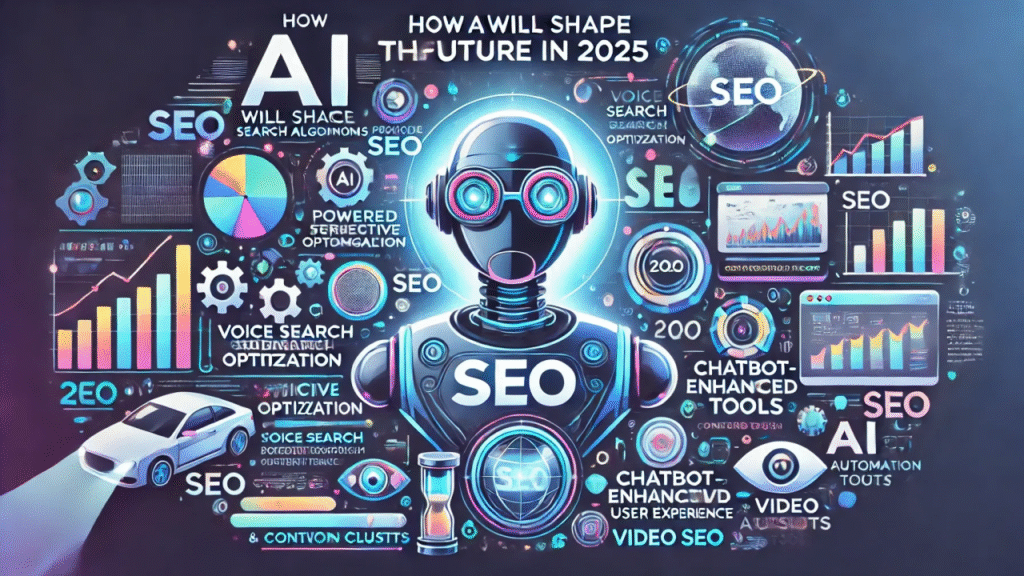
The Future of SEO is Here!
With AI-driven search tools like ChatGPT, Google Gemini, and Bing Copilot, SEO has evolved into Generative Engine Optimization (GEO) — the next revolution in digital marketing.
The Evolution of SEO
In 2025, SEO isn’t about chasing Google’s algorithm anymore — it’s about being visible to AI engines.
These tools don’t show “10 blue links” like old Google. They generate answers using content they trust.
That’s where Generative Engine Optimization (GEO) comes in — optimizing your content so AI systems understand and recommend it.
What is Generative Engine Optimization (GEO)?
GEO means writing content not just for people — but for AI assistants like ChatGPT, Gemini, and Copilot.
These systems read millions of websites and summarize them into one answer.
If your content is structured, factual, and conversational, AI will quote or mention it in its responses.
Mini Example:
Old SEO: “Best travel agency in Ooty.”
New GEO: “Which travel agency is best for Ooty trips?”
👉 AI gives a conversational answer — and if optimized well, your name appears there!
GEO vs Traditional SEO
Factor | Traditional SEO | Generative Engine Optimization (GEO) |
|---|
| Focus | Keywords | AI intent & context |
| Platform | Google, Bing | ChatGPT, Gemini, Perplexity |
| Output | Webpage list | Direct AI answer |
| Tone | Technical | Conversational |
How GEO Works
To make your content GEO-ready, follow these 5 rules:
Use conversational keywords — like “how to”, “best way to”, “what is”.
Write for humans + AI — clear, easy language.
Add entities — your brand name, location, and niche.
Structure properly with H2, H3 headings and bullet lists.
Keep updating content regularly — AI rewards freshness.
Benefits of GEO
🌟 Appear in AI Answers: Your content can be cited directly by ChatGPT or Gemini.
💡 Boost Authority: AI trusts informative, updated content.
📈 Double Traffic: Gain users from Google and AI engines.
🏆 Stay Ahead: Early adopters of GEO dominate the digital space.
nice blog